


Introduction to the Future of Digital Business
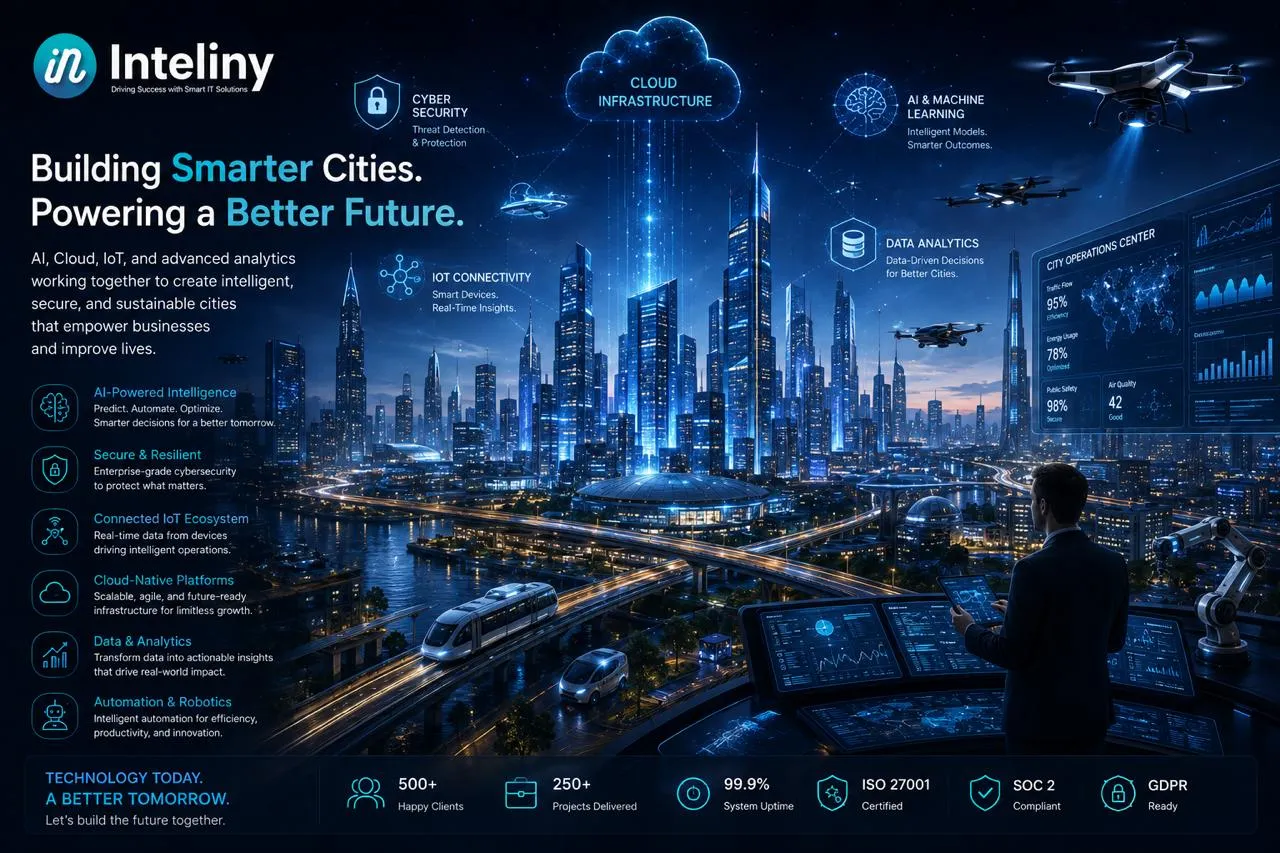
The future of digital business is rapidly evolving, driven by technological advancements and changing consumer behaviors. As we move forward, it's essential for leaders to stay informed about the latest trends and innovations. In this blog post, we'll explore the key technology trends that every leader should watch, including AI, cloud, cybersecurity, edge computing, low-code platforms, intelligent automation, data-driven decision-making, sustainable technology, and digital leadership.
Artificial Intelligence (AI) and Machine Learning
Current State of AI
AI has made significant progress in recent years, with applications in areas such as customer service, marketing, and product development. According to a report by Gartner, the AI market is expected to reach $62 billion by 2025, growing at a compound annual growth rate (CAGR) of 34.6%.
Future of AI
In the future, we can expect to see even more widespread adoption of AI, with a greater emphasis on explainability, transparency, and ethics. Edge AI will also become more prominent, enabling faster and more efficient processing of data at the edge of the network. For example, Google's Edge AI platform allows developers to build and deploy AI models at the edge, reducing latency and improving real-time decision-making.
Cloud Computing and Cybersecurity
Cloud Computing Trends
Cloud computing has become the norm for many businesses, offering greater flexibility, scalability, and cost savings. However, as more data is stored in the cloud, cybersecurity becomes a growing concern. According to a report by Cybersecurity Ventures, the global cybersecurity market is expected to reach $300 billion by 2024, growing at a CAGR of 12.6%.
Cybersecurity Measures
To mitigate these risks, businesses must implement robust cybersecurity measures, such as encryption, firewalls, and access controls.
Cybersecurity is no longer just an IT issue, but a business issue that requires a proactive and comprehensive approach.For instance, Microsoft's Azure Security Center provides a unified security management and threat protection solution for cloud workloads.
Edge Computing and Low-Code Platforms
Edge Computing Benefits
Edge computing offers several benefits, including reduced latency, improved real-time processing, and enhanced security. By processing data at the edge, businesses can reduce the amount of data that needs to be transmitted to the cloud or central data center, resulting in faster and more efficient decision-making.
Low-Code Platforms
Low-code platforms have gained popularity in recent years, enabling developers to build applications faster and with less code. According to a report by Forrester, the low-code market is expected to reach $14.3 billion by 2024, growing at a CAGR of 40%.
Intelligent Automation and Data-Driven Decision-Making
Intelligent Automation
Intelligent automation combines AI, machine learning, and automation to create more efficient and effective business processes. By automating repetitive and mundane tasks, businesses can free up resources and focus on higher-value activities.
Data-Driven Decision-Making
Data-driven decision-making is critical in today's fast-paced business environment. By leveraging data analytics and insights, businesses can make informed decisions, reduce risks, and improve outcomes. For example, Tableau's data analytics platform enables businesses to connect to various data sources, create interactive dashboards, and share insights across the organization.
Sustainable Technology and Digital Leadership
Sustainable Technology
Sustainable technology is becoming increasingly important, as businesses seek to reduce their environmental impact and improve their social responsibility. By adopting sustainable technologies, such as renewable energy and energy-efficient systems, businesses can reduce their carbon footprint and improve their brand reputation.
Digital Leadership
Digital leadership is critical in today's digital age, requiring leaders to have a deep understanding of technology and its impact on business. By developing a digital mindset and leveraging technology to drive innovation and growth, leaders can stay ahead of the competition and achieve long-term success.
Common Questions
What is the future of digital business?
The future of digital business is rapidly evolving, driven by technological advancements and changing consumer behaviors. As we move forward, it's essential for leaders to stay informed about the latest trends and innovations.
How can businesses leverage AI and machine learning?
Businesses can leverage AI and machine learning by adopting a strategic approach, investing in the right technologies, and developing the necessary skills and expertise.
What are the benefits of edge computing?
Edge computing offers several benefits, including reduced latency, improved real-time processing, and enhanced security.
Key Takeaways
In conclusion, the future of digital business is rapidly evolving, driven by technological advancements and changing consumer behaviors. To stay ahead of the competition, businesses must leverage the latest trends and innovations, including AI, cloud, cybersecurity, edge computing, low-code platforms, intelligent automation, data-driven decision-making, sustainable technology, and digital leadership. By adopting a proactive and strategic approach, businesses can achieve long-term success and thrive in the digital age.