

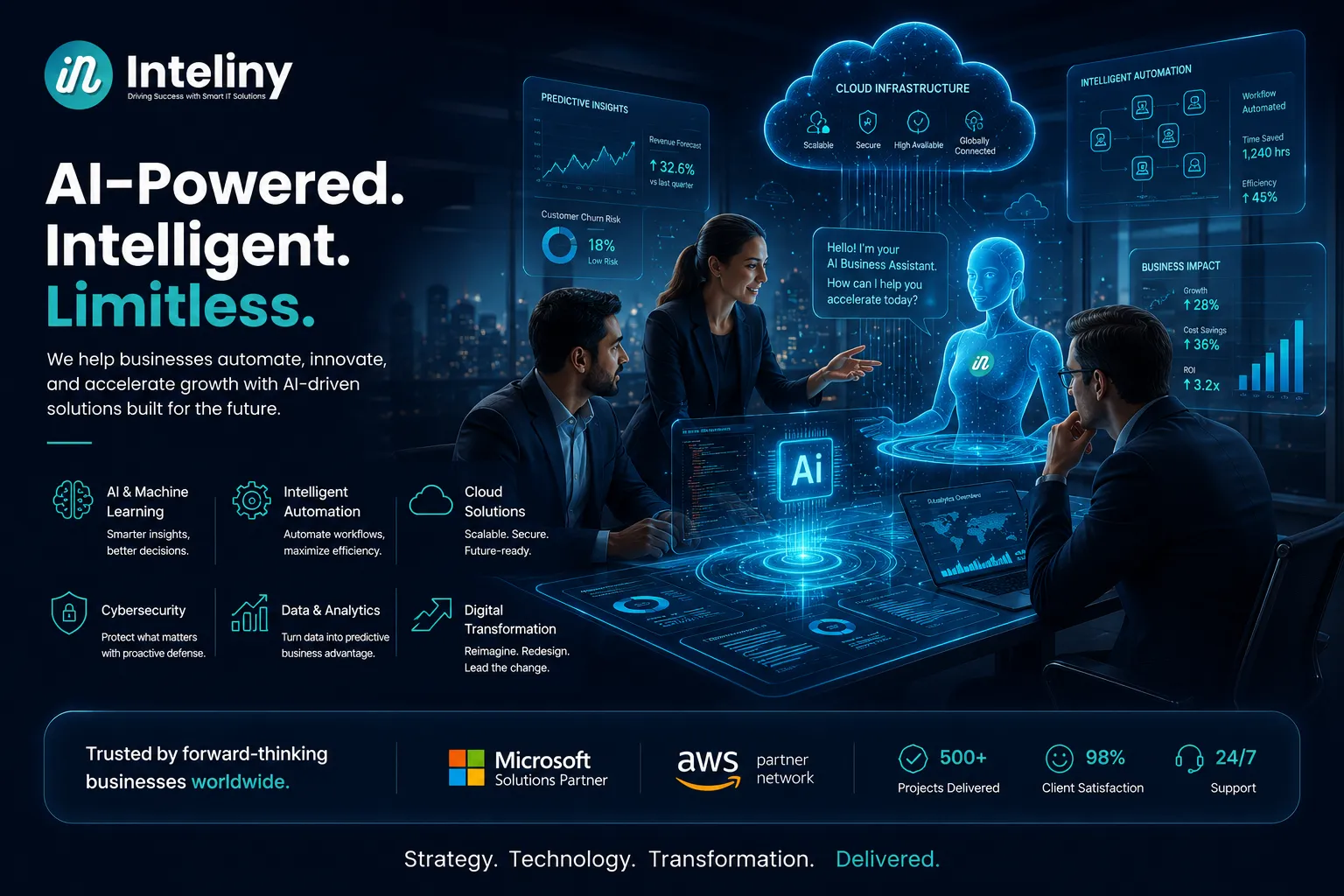

Introduction to AI in Business
What is the role of AI in modern businesses? The answer lies in its ability to transform operations, customer service, and decision-making processes. AI adoption has become a critical component for businesses seeking to stay competitive in today's fast-paced, technology-driven market.
Automation and Efficiency
One of the primary ways AI is impacting businesses is through automation. By automating routine and repetitive tasks, companies can significantly reduce operational costs and enhance efficiency. For instance, AI-powered chatbots are being used in customer service to provide 24/7 support, answering frequent queries, and directing complex issues to human representatives.
Customer Service Enhancement
AI-driven customer service tools not only automate support but also analyze customer interactions to provide personalized experiences. This leads to higher customer satisfaction rates and loyalty. Moreover, AI can predict customer behavior, enabling proactive service and improving overall customer retention.
HR and Talent Management
AI is also revolutionizing the HR sector by streamlining recruitment processes, predicting employee performance, and facilitating personalized training programs. AI tools can sift through numerous resumes to find the best candidates, conduct initial screenings, and even predict the likelihood of a candidate's success in a particular role.
Finance and Accounting
In the finance sector, AI is used for risk management, fraud detection, and financial forecasting. AI algorithms can analyze vast amounts of financial data to identify patterns, predict market trends, and detect anomalies that may indicate fraudulent activity. This not only enhances security but also aids in making informed financial decisions.
Marketing and Sales
AI plays a pivotal role in marketing by enabling personalized advertising, predicting consumer behavior, and optimizing marketing campaigns. AI-driven tools can analyze consumer data to create targeted ads, increasing the likelihood of conversion. Additionally, AI can forecast sales trends, helping businesses to adjust their strategies accordingly.
Software Development
In software development, AI is used to enhance coding efficiency, test software, and predict potential bugs. AI-powered tools can assist developers in writing code, reducing development time and minimizing errors. Moreover, AI-driven testing tools can simulate a wide range of scenarios, ensuring the software is robust and reliable.
Analytics and Decision Making
AI-driven analytics tools can process vast amounts of data, providing insights that inform business decisions. By analyzing market trends, customer behavior, and operational efficiency, businesses can make data-driven decisions to drive growth and profitability.
Implementation Roadmap
Implementing AI in a business requires a strategic approach. It starts with identifying areas where AI can add value, followed by the development of a clear implementation plan, and the establishment of a team to oversee AI integration. Continuous monitoring and evaluation are also crucial to ensure AI solutions are meeting their intended objectives.
Myths, ROI, and Risks
Despite its benefits, AI adoption is often hindered by myths and misconceptions. One common myth is that AI will replace human workers, which, while partially true for certain roles, overlooks AI's potential to create new job opportunities. The ROI of AI can be significant, with improvements in efficiency, customer satisfaction, and decision-making. However, there are also risks, including data privacy concerns, dependency on technology, and the potential for AI to exacerbate existing biases.
Tools and Technologies
A variety of AI tools and technologies are available for businesses, ranging from machine learning platforms to natural language processing tools. The choice of tool depends on the specific needs of the business, such as automation, analytics, or customer service enhancement.
Common Questions
- Q: How does AI improve customer service? A: AI improves customer service by providing 24/7 support, personalizing customer interactions, and predicting customer needs.
- Q: Can AI replace human workers? A: While AI can automate certain tasks, it is unlikely to replace the complexity and nuance of human workers entirely.
- Q: What are the risks of adopting AI? A: Risks include data privacy concerns, technological dependency, and the potential for AI to perpetuate biases.
Future Trends
The future of AI in business is promising, with advancements in areas like quantum computing, edge AI, and explainable AI. As AI technology evolves, we can expect to see more sophisticated applications of AI in business, leading to greater efficiency, innovation, and competitiveness.
Key Takeaways
- AI transforms businesses through automation, customer service, and decision-making enhancements.
- Practical AI adoption requires a strategic approach, including identifying value areas and developing an implementation plan.
- Despite myths and risks, the ROI of AI can be significant, improving efficiency, satisfaction, and decision-making.