


Introduction to AI + Automation
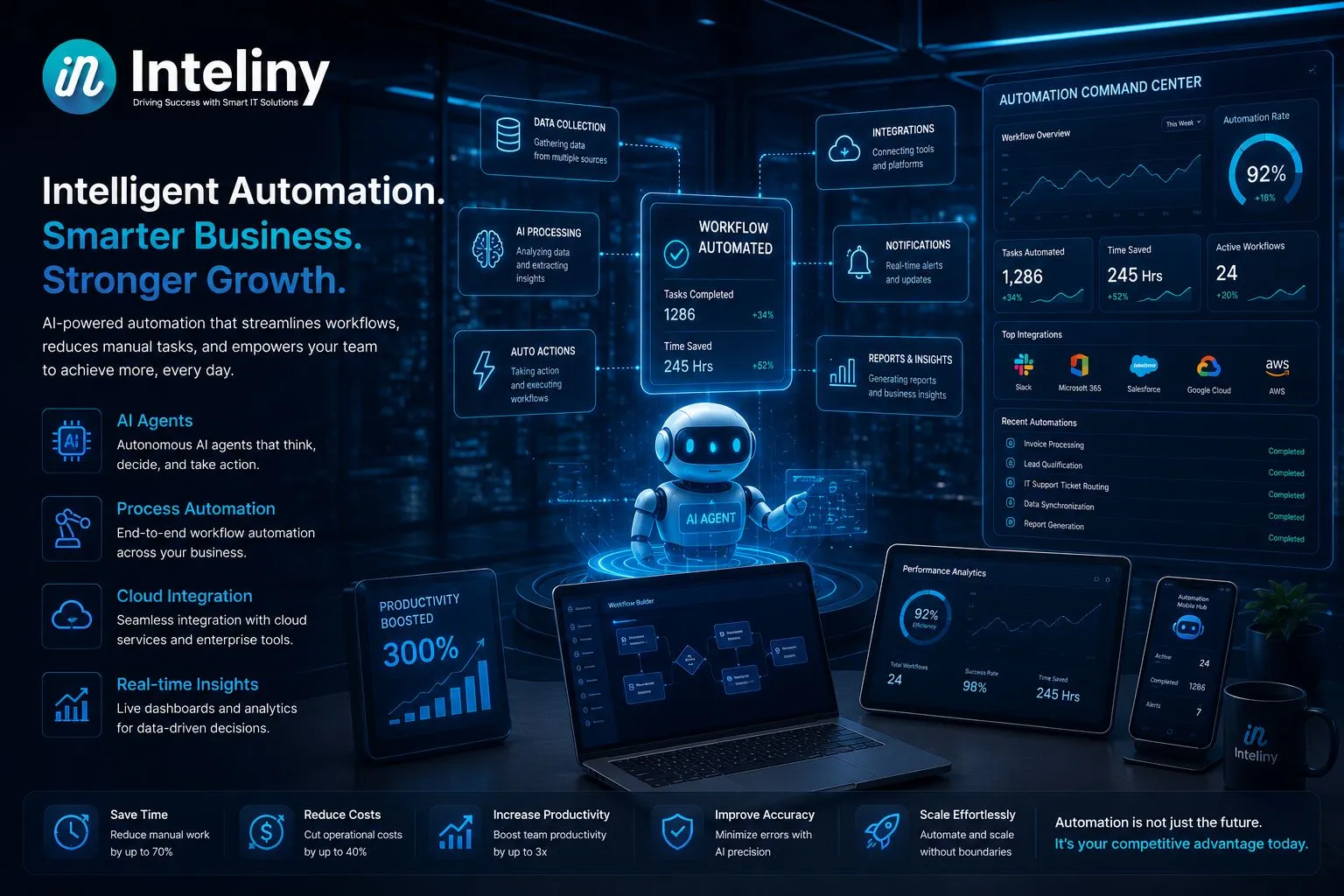
As businesses continue to evolve, the integration of Artificial Intelligence (AI) and automation is becoming increasingly crucial for operational efficiency. The question on everyone's mind is: how can AI and automation transform business operations? The answer lies in the seamless integration of AI agents, robotic process automation (RPA), and other automation technologies to streamline workflows, enhance customer support, and optimize financial management.
Workflow Automation
What is Workflow Automation?
Workflow automation refers to the use of technology to automate repetitive and mundane tasks, freeing up human resources for more strategic and creative work. This can include anything from data entry and document processing to email marketing and social media management.
Benefits of Workflow Automation
The benefits of workflow automation are numerous. For instance, it can help reduce errors, increase productivity, and enhance customer satisfaction. According to a report by McKinsey, workflow automation can help businesses reduce their operational costs by up to 30%.
AI Agents and Robotic Process Automation (RPA)
Introduction to AI Agents and RPA
AI agents and RPA are two of the most powerful tools in the automation arsenal. AI agents can learn and adapt to new situations, making them ideal for complex tasks such as customer support and data analysis. RPA, on the other hand, is designed to automate repetitive tasks, such as data entry and document processing.
Real-World Examples of AI Agents and RPA
Companies such as Amazon and Google are already using AI agents and RPA to automate various aspects of their operations. For example, Amazon's customer support chatbots use AI to provide personalized support to customers, while Google's RPA tools help automate tasks such as data entry and document processing.
CRM Automation
What is CRM Automation?
CRM (Customer Relationship Management) automation refers to the use of technology to automate various aspects of customer relationship management, such as lead generation, contact management, and sales forecasting.
Benefits of CRM Automation
The benefits of CRM automation are numerous. For instance, it can help businesses streamline their sales processes, enhance customer satisfaction, and increase revenue. According to a report by Salesforce, CRM automation can help businesses increase their sales revenue by up to 25%.
HR Automation
What is HR Automation?
HR (Human Resources) automation refers to the use of technology to automate various aspects of human resources management, such as recruitment, employee onboarding, and benefits administration.
Benefits of HR Automation
The benefits of HR automation are numerous. For instance, it can help businesses streamline their HR processes, reduce errors, and enhance employee satisfaction. According to a report by Gartner, HR automation can help businesses reduce their HR costs by up to 30%.
Finance Automation
What is Finance Automation?
Finance automation refers to the use of technology to automate various aspects of financial management, such as accounts payable, accounts receivable, and financial reporting.
Benefits of Finance Automation
The benefits of finance automation are numerous. For instance, it can help businesses streamline their financial processes, reduce errors, and enhance financial transparency. According to a report by Deloitte, finance automation can help businesses reduce their financial costs by up to 25%.
Customer Support Automation
What is Customer Support Automation?
Customer support automation refers to the use of technology to automate various aspects of customer support, such as chatbots, email support, and social media support.
Benefits of Customer Support Automation
The benefits of customer support automation are numerous. For instance, it can help businesses streamline their customer support processes, reduce errors, and enhance customer satisfaction. According to a report by Forrester, customer support automation can help businesses reduce their customer support costs by up to 30%.
Implementation Strategy
Step 1: Assess Your Current Operations
The first step in implementing AI and automation is to assess your current operations and identify areas where automation can have the greatest impact.
Step 2: Choose the Right Technology
The second step is to choose the right technology for your business. This can include anything from AI agents and RPA to CRM and HR automation tools.
Step 3: Develop a Training Plan
The third step is to develop a training plan to ensure that your employees have the skills they need to work with the new technology.
ROI and Challenges
Measuring ROI
Measuring the return on investment (ROI) of AI and automation can be challenging, but it's essential to understand the benefits and challenges of these technologies.
Common Challenges
Some common challenges of implementing AI and automation include the cost of implementation, the need for skilled employees, and the risk of job displacement.
Future Trends
Increased Adoption of AI and Automation
One of the biggest trends in AI and automation is the increased adoption of these technologies across various industries.
Emergence of New Technologies
Another trend is the emergence of new technologies such as machine learning and natural language processing, which are expected to have a significant impact on the future of business operations.
Common Questions
What is AI and Automation?
AI and automation refer to the use of technology to automate various aspects of business operations, such as workflow automation, customer support, and financial management.
How Can AI and Automation Benefit My Business?
AI and automation can benefit your business in numerous ways, including streamlining operations, reducing errors, and enhancing customer satisfaction.
What Are the Challenges of Implementing AI and Automation?
Some common challenges of implementing AI and automation include the cost of implementation, the need for skilled employees, and the risk of job displacement.
Key Takeaways
In conclusion, AI and automation are transforming business operations in numerous ways, from workflow automation and customer support to financial management and HR. By understanding the benefits and challenges of these technologies, businesses can make informed decisions about how to implement them and achieve their goals.