


Introduction
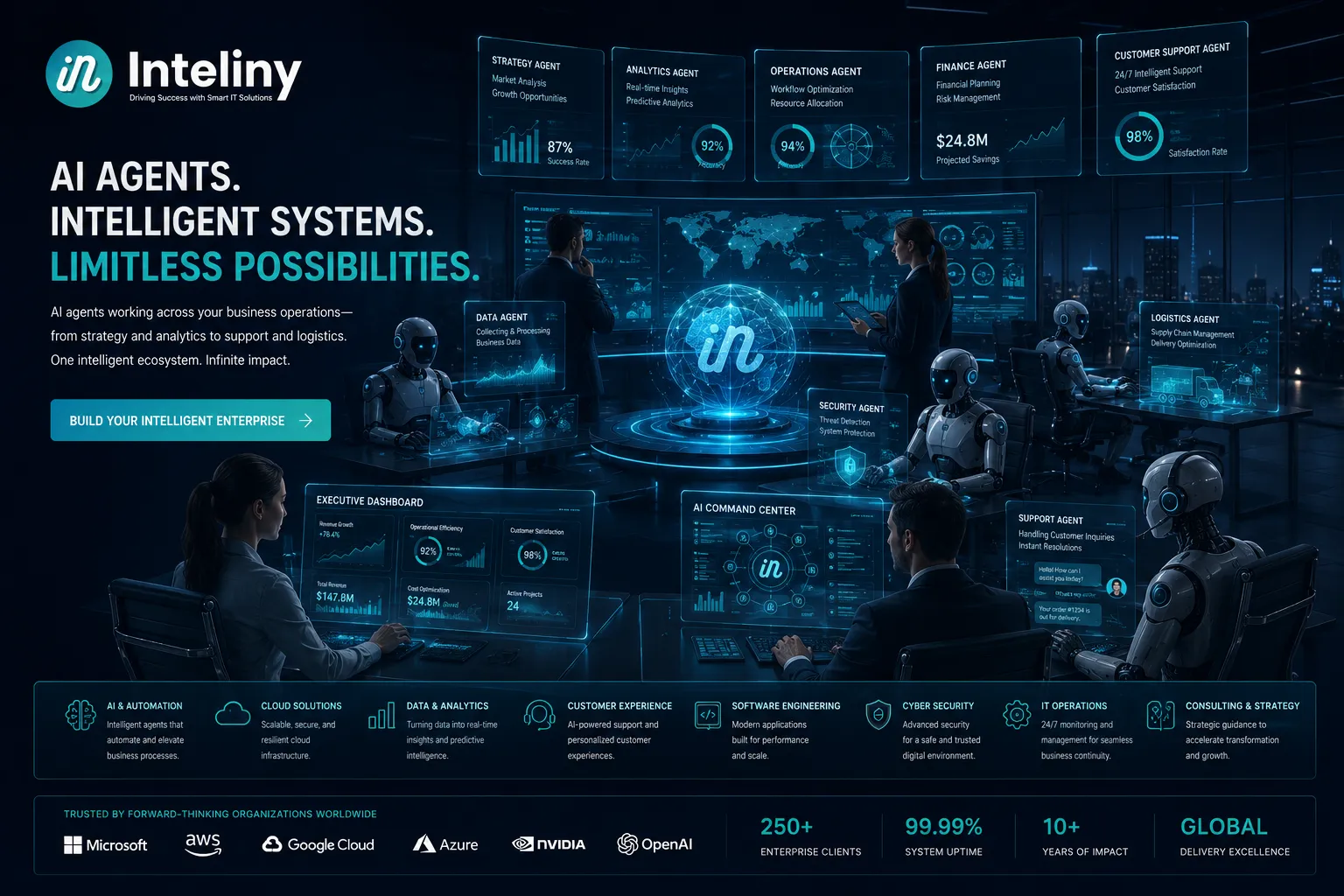
What are AI agents and how will they change the face of business? AI agents, also known as autonomous systems, are software programs that use artificial intelligence to perform tasks without human intervention. These systems have the potential to revolutionize the way businesses operate, making them more efficient, productive, and competitive.
Prerequisites
Before diving into the world of AI agents, it's essential to understand the prerequisites for their development and implementation. These include a solid understanding of machine learning, natural language processing, and computer vision. Additionally, businesses must have a clear understanding of their goals and objectives, as well as the challenges they face, in order to effectively utilize AI agents.
Core Concepts
Autonomous Workflows
Autonomous workflows refer to the automation of business processes using AI agents. These agents can perform tasks such as data entry, customer service, and bookkeeping, freeing up human employees to focus on higher-level tasks. Autonomous workflows can be integrated with existing systems, such as enterprise resource planning (ERP) and customer relationship management (CRM) software.
Multi-Agent Systems
Multi-agent systems refer to the use of multiple AI agents working together to achieve a common goal. These systems can be used to solve complex problems, such as supply chain management and logistics. Multi-agent systems can also be used to simulate real-world scenarios, allowing businesses to test and refine their strategies before implementing them.
Intelligent Decision-Making
Intelligent decision-making refers to the use of AI agents to analyze data and make decisions based on that analysis. These agents can be used to identify trends, predict outcomes, and optimize business processes. Intelligent decision-making can be used in a variety of applications, including finance, marketing, and human resources.
Enterprise Automation
Enterprise automation refers to the use of AI agents to automate business processes across an entire organization. This can include tasks such as data entry, customer service, and bookkeeping, as well as more complex tasks such as financial analysis and strategic planning. Enterprise automation can help businesses to reduce costs, increase efficiency, and improve productivity.
Ethical Implications
The use of AI agents raises a number of ethical implications, including concerns about job displacement, bias, and accountability. Businesses must consider these implications when developing and implementing AI agents, and must ensure that they are transparent and fair in their decision-making processes.
Business Adoption Roadmap
The business adoption roadmap for AI agents involves several steps, including:
- Assessing the organization's readiness for AI agents
- Identifying areas where AI agents can be used to improve business processes
- Developing a strategy for implementing AI agents
- Implementing AI agents and monitoring their performance
- Refining and improving AI agents over time
Industry Use Cases
AI agents are being used in a variety of industries, including:
- Finance: AI agents are being used to analyze financial data, predict market trends, and optimize investment portfolios.
- Healthcare: AI agents are being used to analyze medical data, diagnose diseases, and develop personalized treatment plans.
- Manufacturing: AI agents are being used to optimize production processes, predict maintenance needs, and improve product quality.
Risks and Challenges
The use of AI agents also poses a number of risks and challenges, including:
- Job displacement: AI agents may displace human workers, particularly in industries where tasks are repetitive or can be easily automated.
- Bias: AI agents may perpetuate biases and discrimination if they are trained on biased data or designed with a particular worldview.
- Accountability: AI agents may make decisions that are not transparent or accountable, particularly if they are not designed with explainability in mind.
Common Pitfalls
Common pitfalls when implementing AI agents include:
- Insufficient data: AI agents require high-quality data to function effectively. Insufficient data can lead to poor performance and inaccurate results.
- Inadequate testing: AI agents must be thoroughly tested before deployment to ensure that they function as intended and do not pose any risks.
- Lack of transparency: AI agents must be designed with transparency in mind, including explainability and accountability.
Common Questions
Here are some common questions about AI agents:
- Q: What are AI agents?
- A: AI agents are software programs that use artificial intelligence to perform tasks without human intervention.
- Q: How do AI agents work?
- A: AI agents work by using machine learning algorithms to analyze data and make decisions based on that analysis.
- Q: What are the benefits of using AI agents?
- A: The benefits of using AI agents include increased efficiency, productivity, and competitiveness, as well as improved decision-making and reduced costs.
Key Takeaways
The key takeaways from this article are:
- AI agents have the potential to revolutionize the way businesses operate, making them more efficient, productive, and competitive.
- AI agents can be used to automate business processes, make decisions, and optimize operations.
- The use of AI agents raises a number of ethical implications, including concerns about job displacement, bias, and accountability.
- Businesses must consider these implications when developing and implementing AI agents, and must ensure that they are transparent and fair in their decision-making processes.