


Introduction
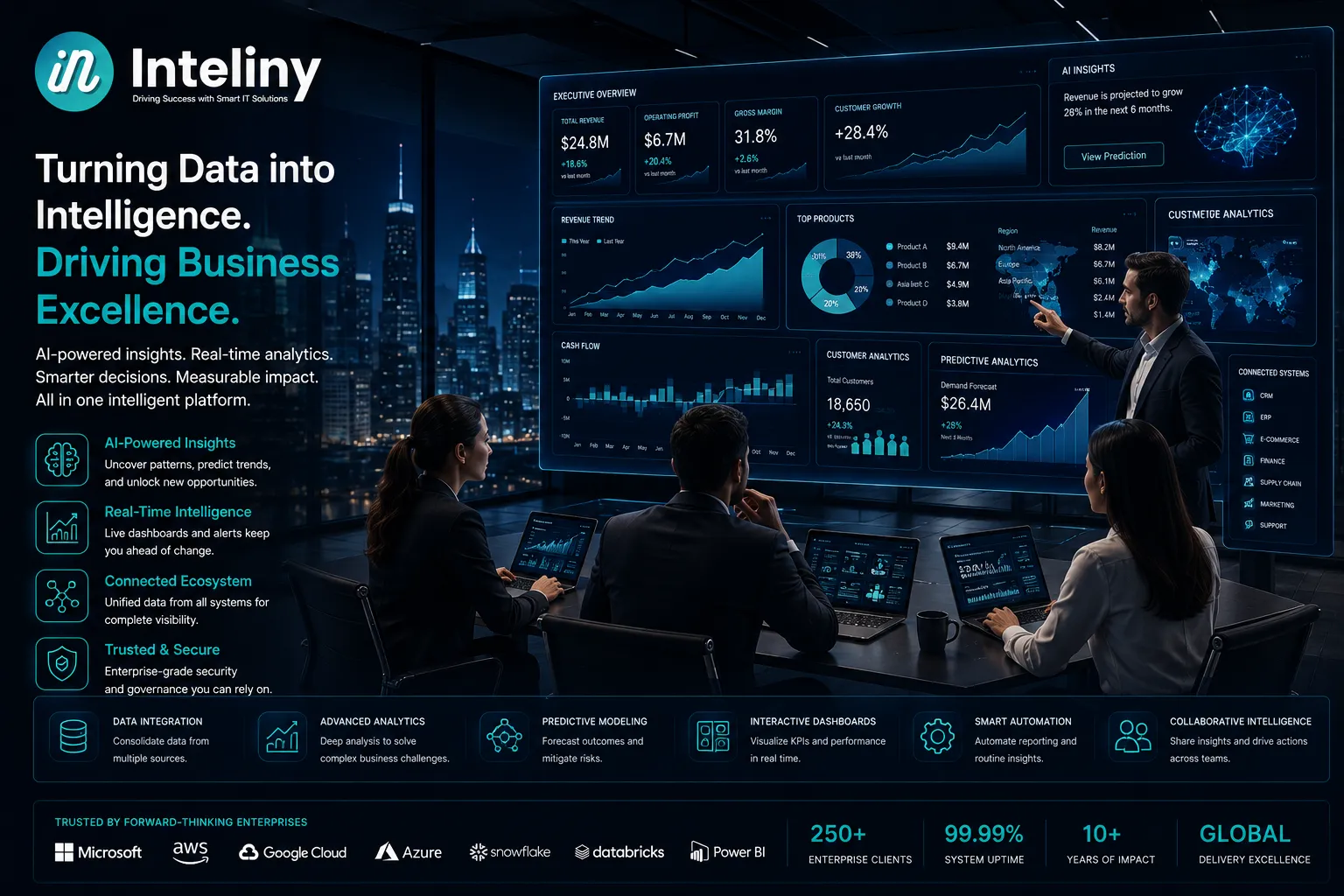
Data has become the lifeblood of modern businesses, driving decision-making and strategy. But what does it mean to be a data-driven organization, and how can companies achieve this status?
Prerequisites for a Data-Driven Organization
A data-driven organization requires several key elements, including a strong data strategy, advanced analytics capabilities, and a culture that prioritizes data-based decision-making.
Data Strategy
A well-defined data strategy is essential for any organization looking to become data-driven. This involves identifying the types of data that are most relevant to the business, determining how that data will be collected and stored, and establishing processes for analyzing and interpreting the data.
Analytics Maturity
Analytics maturity refers to an organization's ability to effectively analyze and interpret its data. This can involve using advanced tools and techniques, such as machine learning and artificial intelligence, to uncover insights and patterns in the data.
Core Components of a Data-Driven Organization
AI-Driven Insights
AI-driven insights involve using artificial intelligence and machine learning to analyze data and uncover patterns and trends that may not be apparent through traditional analysis methods.
import pandas as pd
from sklearn.ensemble import RandomForestClassifier
from sklearn.model_selection import train_test_split

# Load the data
data = pd.read_csv('data.csv')

# Split the data into training and testing sets
X_train, X_test, y_train, y_test = train_test_split(data.drop('target', axis=1), data['target'], test_size=0.2, random_state=42)

# Train a random forest classifier on the training data
rf = RandomForestClassifier(n_estimators=100, random_state=42)
rf.fit(X_train, y_train)

# Use the trained model to make predictions on the testing data
y_pred = rf.predict(X_test)
Governance and Business Intelligence
Effective governance and business intelligence are critical components of a data-driven organization. This involves establishing clear policies and procedures for data management, as well as implementing tools and systems to support data analysis and decision-making.
KPIs and Metrics
Key performance indicators (KPIs) and metrics are essential for measuring the success of a data-driven organization. This can involve tracking metrics such as revenue growth, customer satisfaction, and return on investment (ROI).
Implementation Roadmap
Culture and Change Management
Implementing a data-driven organization requires significant cultural and organizational change. This involves educating employees on the importance of data-based decision-making, as well as establishing processes and systems to support data analysis and interpretation.
Technical Implementation
The technical implementation of a data-driven organization involves several key steps, including data ingestion, storage, and analysis. This can involve using tools such as Hadoop, Spark, and NoSQL databases to manage and analyze large datasets.
Common Pitfalls
Data Quality Issues
Data quality issues can be a significant challenge for data-driven organizations. This can involve problems such as missing or duplicate data, as well as issues with data formatting and consistency.
Insufficient Governance
Insufficient governance can also be a challenge for data-driven organizations. This can involve issues such as lack of clear policies and procedures, as well as inadequate oversight and control.
FAQ
What is a data-driven organization?
A data-driven organization is a company that uses data to inform its decision-making and strategy.
How can I implement a data-driven organization?
Implementing a data-driven organization involves several key steps, including establishing a strong data strategy, developing advanced analytics capabilities, and fostering a culture that prioritizes data-based decision-making.
Key Takeaways
In conclusion, building a data-driven organization is a complex and challenging process, but it can also be highly rewarding. By establishing a strong data strategy, developing advanced analytics capabilities, and fostering a culture that prioritizes data-based decision-making, companies can gain a significant competitive advantage in the marketplace.